
Author——Steven chen
Steven chen is a Senior R&D Engineer at Boxin Electronics with over 20 years of experience in the audio industy. He specializes in UC headsetscallcenterheadsets, acoustic tuning, microphone noise reduction, and wireless communication technologi
Introduction: Why Manufacturing Process Matters for Gaming Headset Buyers
When selecting a gaming headset supplier, many buyers focus on price, specifications, and production capacity.
However, successful headset development depends on more than manufacturing capability. Problems often appear during development:
The prototype sounds good, but mass production quality is inconsistent.
The wireless connection works in testing but fails in real use.
Structural problems appear after long-term usage.
Understanding the manufacturing process helps buyers evaluate supplier capabilities and reduce development risks.
1.Product Definition: Starting With the Right Requirements
A gaming headset project usually starts with product positioning, not simply choosing components.
Before development begins, manufacturers need to confirm:
Target market
Price positioning
Product features
Connection type
Gaming platforms
Certification requirements
For example, a PC gaming headset and a console gaming headset may require different hardware solutions and certification planning.
Clear requirements at the beginning help avoid redesign and additional development costs later.

2.Industrial Design and Structural Development
Appearance is important for gaming products, but structural reliability directly affects user experience.
During development, engineers evaluate:
Headband strength
Hinge durability
Ear cup structure
Microphone arm design
Assembly tolerance
A well-designed structure reduces issues such as:
Headband breakage
Loose components
Poor wearing comfort
For gaming headset brands, structural design is one of the key factors affecting product lifespan.
3.Acoustic Development and Audio Tuning
A larger driver does not always mean better sound quality.
Gaming headset performance depends on multiple factors:
Driver selection
Acoustic chamber design
Sound tuning
Microphone performance
Different gaming scenarios require different tuning.
For example:
FPS games focus on:
Footstep positioning
Directional sound
Detail resolution
Adventure games focus more on:
Bass performance
Sound immersion
Spatial experience
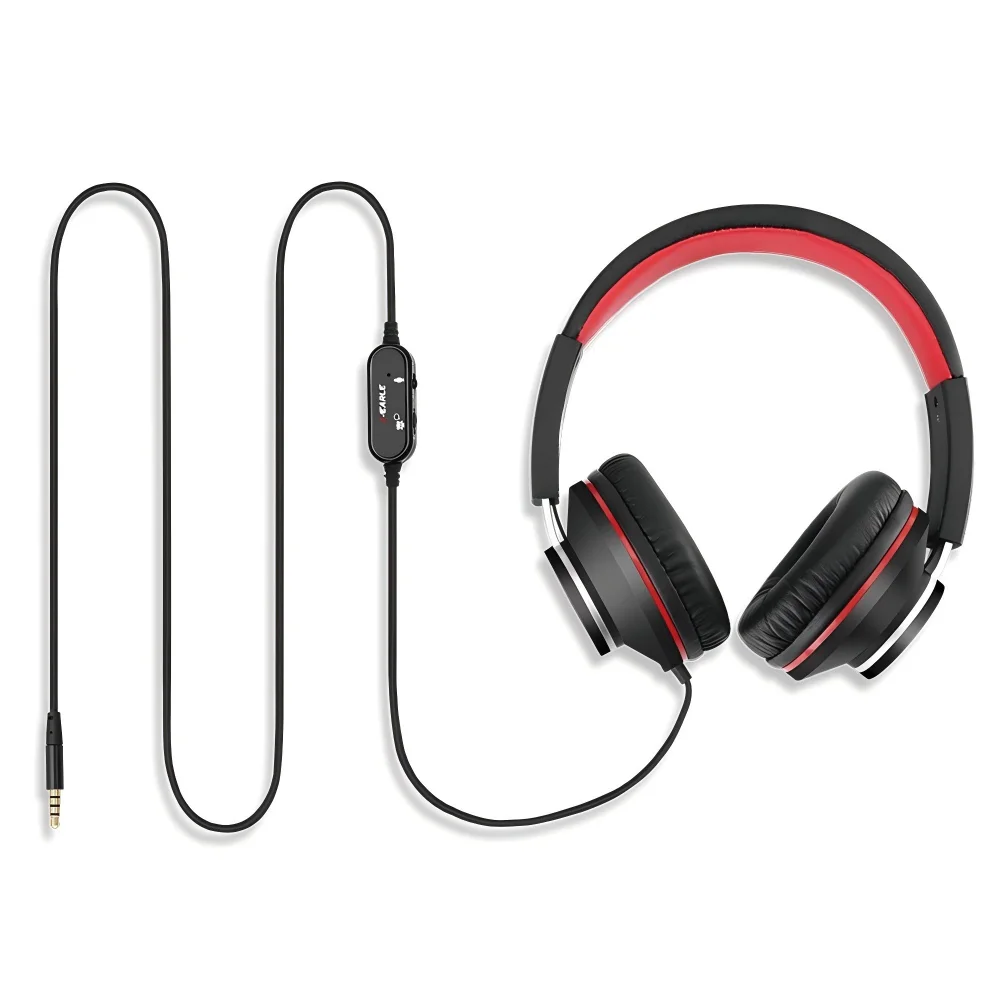
A capable gaming headset manufacturer should have acoustic development experience, not only assembly capability.
4.Wireless Gaming Headset Development
Wireless performance is one of the most challenging parts of gaming headset development.
Key areas include:
Connection Stability
Testing should include:
Wireless distance
Signal interference
Connection switching
Latency Performance
For competitive gaming, audio delay directly affects user experience.
Battery Performance
Battery testing should consider:
Volume level
RGB lighting
Wireless mode
Real usage conditions
Reliable wireless performance requires both hardware design and engineering verification.

5.Prototype Testing Before Mass Production
A prototype is only the beginning of development.
Before mass production, manufacturers usually complete several validation stages:
EVT (Engineering Validation Test)
Focus:
Circuit function
Audio performance
Firmware testing
DVT (Design Validation Test)
Focus:
Product structure
Appearance
User experience
PVT (Production Validation Test)
Focus:
Production process
Assembly efficiency
Manufacturing consistency
These steps help identify problems before large-scale production.
6.Gaming Headset Reliability Testing
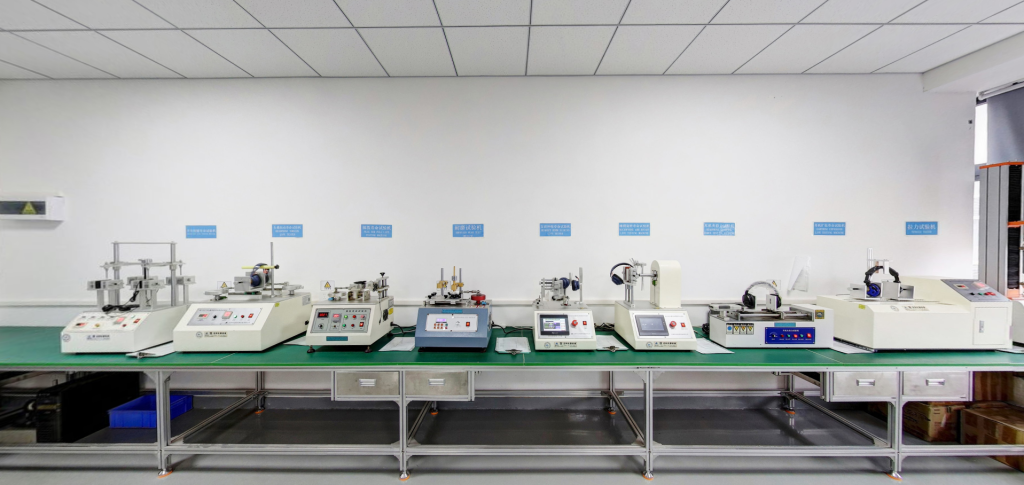
Before mass production, products need reliability testing to verify durability.
headset quality testing include:
Mechanical Testing
Headband durability
Button lifespan
Microphone rotation
Cable bending
Plug insertion
Environmental Testing
High temperature testing
Low temperature testing
Humidity testing
Drop testing
Testing results help manufacturers improve product reliability before shipment.
7.Mold Development and Mass Production
After prototype approval, the project moves into tooling and production.
The process includes:
Mold development
Trial molding
Assembly verification
Pilot production
During trial production, engineers check:
Product dimensions
Assembly efficiency
Production yield
A mature manufacturing process ensures stable quality during mass production.
8.Quality Control During Production
Stable mass production requires a complete QC system.
Typical inspection stages include:
IQC (Incoming Quality Control)
Check:
Electronic components
Plastic parts
Materials
IPQC (In-Process Quality Control)
Monitor:
Assembly process
Production consistency
FQC/OQC
Verify:
Audio performance
Appearance
Packaging
Quality control is essential for maintaining consistent product performance between batches.
How to Choose a Gaming Headset Manufacturer?
Before selecting a supplier, buyers should evaluate:
R&D Capability
Does the factory have:
Acoustic engineers?
Product development experience?
Wireless development capability?
Manufacturing Capability
Check:
Mold development
Production lines
Testing equipment
OEM/ODM Experience
A capable partner should support:
Product design
Prototype development
Customization
Mass production
Why Choose Boxin as Your Gaming Headset OEM/ODM Partner?
Boxin Electronics provides gaming headset OEM/ODM services from product development to mass production.
Our capabilities include:
Industrial design
Acoustic tuning
Mold development
Injection molding
Assembly
Reliability testing
With over 30 years of headset manufacturing experience, Boxin supports global brands, distributors, and retailers with customized headset solutions.
Conclusion
Developing a gaming headset requires more than producing a finished product.
A reliable supplier should have experience in:
Product development
Acoustic engineering
Structural design
Testing
Mass production control
For brands looking to develop gaming headsets, choosing the right manufacturing partner can reduce development risks and improve product reliability.